복잡도를 늘리지 않고 시스템을 견고하게 만들기
변화 속에서도 안정적으로 버티는 시스템을 만들면서, 모든 계층을 과하게 설계하지 않기 위한 판단 기준을 정리했습니다.
견고함은 보통 재시도, 서킷 브레이커, 격벽, 큐 같은 메커니즘 목록으로 이야기됩니다. 실제로 어려운 부분은 그중 무엇이 정말 필요한지 고르는 일입니다. 추가한 메커니즘은 그 자체로 고장 날 수 있는 구성 요소가 되기 때문입니다.
이미 겪어 본 실패에서 시작하기
가장 값싼 견고함은 이미 관찰한 실패에서 나옵니다. 새 계층을 얹기 전에 최근 장애 다섯 건을 적어 두고, 어떤 메커니즘이 결과를 바꿨을지 물어보세요. 대부분의 팀은 두세 가지 패턴이 실제 실패의 대부분을 덮는다는 걸 발견합니다.
복잡도도 예산처럼 배정하기
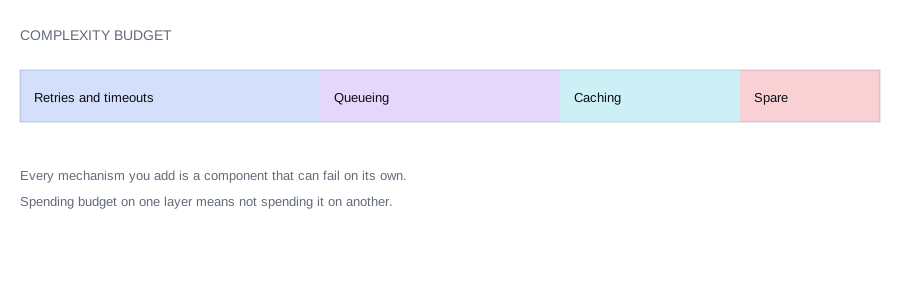
모든 추상화에는 유지 비용이 따라옵니다. 새로 합류한 사람의 학습, 디버깅, 업그레이드 경로가 그렇습니다. 복잡도를 총량이 정해진 예산으로 다루세요. 메시지 큐에 예산을 쓰는 결정은 두 번째 캐시 계층을 포기하는 결정과 같습니다.
성능 저하 경로를 기본 경로로 만들기
성능 저하를 잘 견디는 시스템에는 공통점이 하나 있습니다. 저하된 경로가 장애 때만 쓰이는 게 아니라 평상시에도 계속 실행된다는 점입니다. 전체 트래픽의 1%를 항상 캐시된 결과로 응답하는 편이, 새벽 3시에 처음 실행되는 폴백보다 훨씬 믿을 만합니다.
남겨 둘 것
- 지터와 상한을 갖춘, 일관되게 적용되는 재시도 정책 하나
- 의존성별 타임아웃을 관리하는 단일 지점
- 프로세스 생존이 아니라 사용자가 체감하는 동작을 반영하는 헬스 신호
- 사용자와 맞닿은 모든 화면에 대해 문서화된 저하 모드
나머지는 실제로 겪은 실패를 근거로 제시할 수 있을 때 자리를 얻어야 합니다.
Topics
Related work
See the correlation view